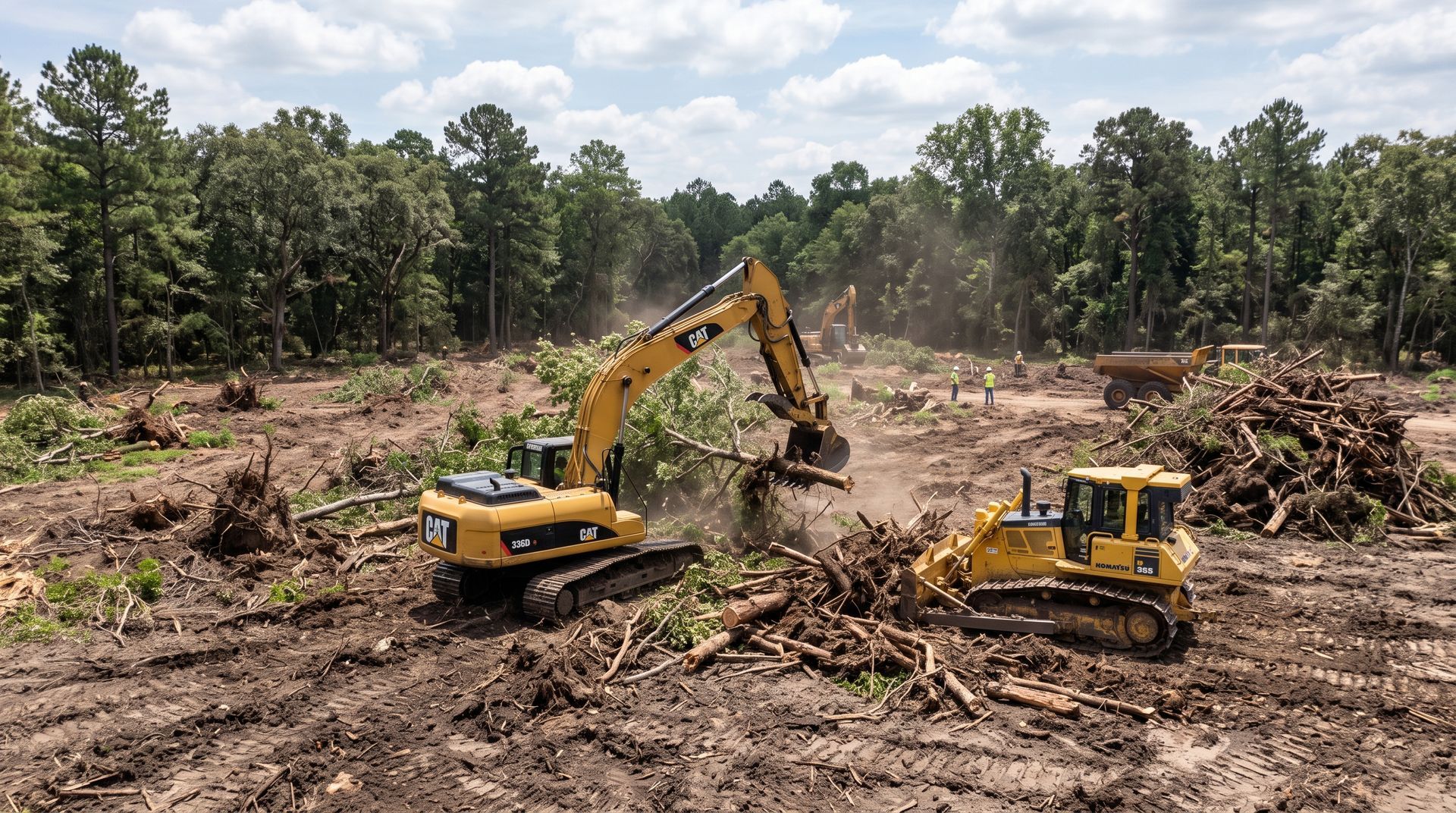
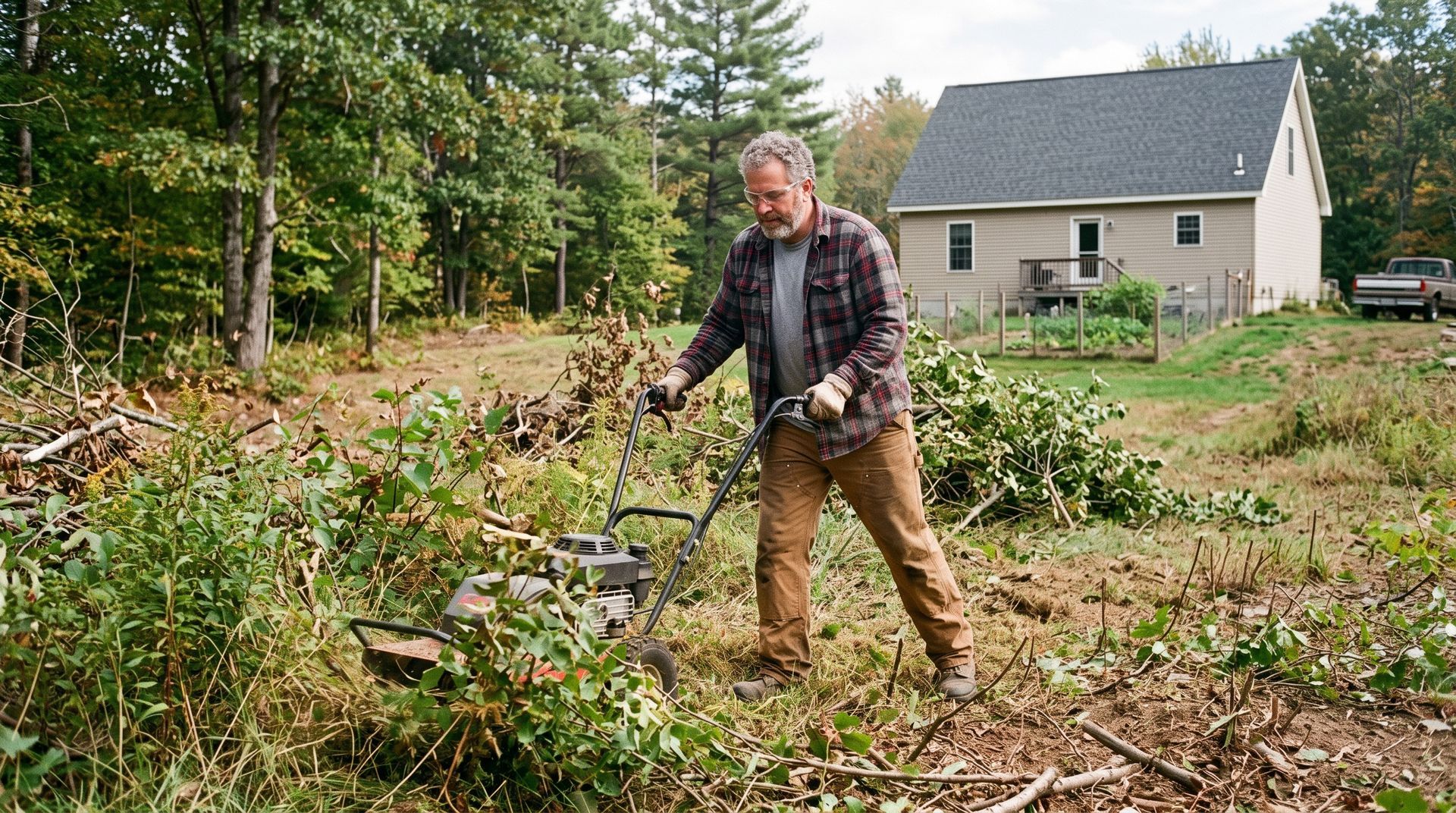
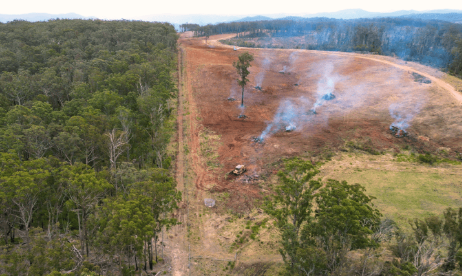
Speed is one of the clearest advantages. Because forestry mulching combines cutting and disposal into a single pass, it's often significantly faster than traditional clearing methods that require separate cutting, piling, and hauling steps. For larger properties or dense brush and undergrowth, this efficiency translates directly into a shorter project timeline.
Soil health is another consideration worth understanding. The mulch left behind after forestry mulching breaks down over time and returns organic matter to the soil, which can benefit future land use compared to methods that strip vegetation and leave bare, exposed ground. This also helps with erosion control immediately after clearing, since the mulch layer holds soil in place better than fully exposed dirt.
Cost efficiency often follows from the speed advantage. Because forestry mulching typically requires less time and fewer separate steps than traditional clearing and disposal, it frequently costs less for comparable acreage, particularly on properties with dense brush and smaller tree growth where mulching equipment is especially effective.
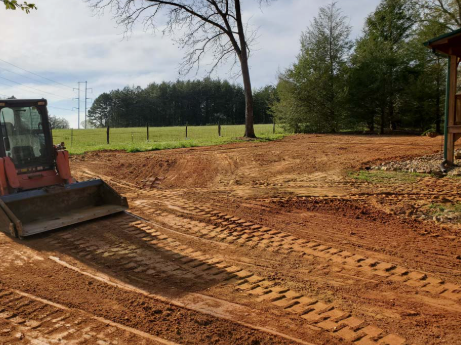
That said, forestry mulching isn't the right fit for every job. Properties with large, mature trees that need to be fully removed rather than mulched, or projects requiring the land to be completely bare and graded for construction, often need traditional clearing methods or a combination approach instead. We assess each property honestly and recommend forestry mulching when it's genuinely the better option, not as a default answer regardless of what a job actually calls for.
If you're clearing brush, undergrowth, or smaller tree growth and want to know whether forestry mulching Tulsa properties commonly use is the right fit for your land, contact us for an assessment.